Lillie Road moving route advice for West Brompton removals
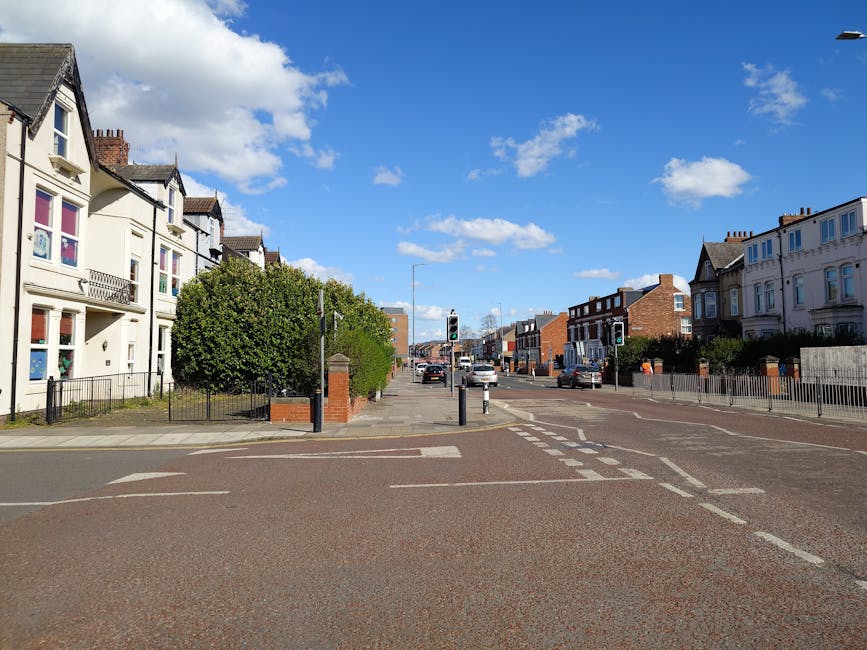
Moving in West Brompton can feel straightforward on paper, then suddenly a narrow turn, a parked van, or a busy school-run window changes the whole day. That is exactly why Lillie Road moving route advice for West Brompton removals matters. Lillie Road sits in that part of London where practical route planning is not a nice extra - it is the thing that keeps a move calm, efficient, and less stressful for everyone involved.
If you are heading to or from a flat, maisonette, office, or family home near Lillie Road, the route you choose affects timing, access, loading distance, and even the condition of your furniture. In this guide, we will look at how to plan a sensible moving route, what to watch for on the day, and how to reduce the little problems that turn into big delays. We will also touch on packing, vehicle choice, safety, and when it makes sense to bring in a team that knows the area properly.
Why Lillie Road moving route advice for West Brompton removals matters
Lillie Road is one of those roads where the smallest planning detail can make a move feel smooth or messy. It is a busy London corridor with regular traffic, junction pressure, busier peak periods, and the usual mix of residential access, delivery activity, and parked vehicles. That means a van cannot just arrive and expect everything to flow.
Good route advice matters because removals are not only about distance. They are about how long the vehicle takes to reach the property, where it can stop safely, how far items must be carried, and whether the route suits the size of the van. In a tight area like West Brompton, those factors influence the whole schedule.
There is also a human side to it. If you have ever watched a sofa get edged through a narrow entrance while someone nervously checks the clock, you will know why confidence matters. A sensible route plan gives everyone a bit of breathing space. Less shouting. Less backtracking. Fewer awkward moments with neighbours peering out of windows at 8:15 in the morning.
For local context, it helps to understand the moving environment around Brompton and West Brompton as a whole. If you are still getting your bearings, this guide to Brompton living gives a useful picture of the area, while our West Brompton Station moving guide is helpful if rail access is part of your move planning.
How Lillie Road moving route advice for West Brompton removals works
Route advice for a West Brompton removal is basically about matching three things: the property, the vehicle, and the road conditions on the day. That sounds simple. In reality, it is a bit more layered.
First, you look at the start point and end point. Are you moving from a top-floor flat, a terraced house, or an office building with shared access? Is there room for a van to pause close to the entrance, or will loading involve a longer carry? On roads around Lillie Road, that can be the difference between a one-trip job and a move that drags on all afternoon.
Second, you think about vehicle suitability. A compact van may be easier to place, but if you underestimate volume you may end up doing multiple runs. A larger vehicle can reduce trips, but it may be harder to park or manoeuvre in tighter sections. That trade-off is central to route planning. Truth be told, it is one of the first things experienced crews check before they lift a single box.
Third, you consider timing. A route that looks fine at midday may be painful at school run time, in commuter traffic, or when local streets are already busy with loading and unloading. Moves are often safer and less rushed when the team can arrive in a quieter window, even if that means an earlier start.
In practical terms, route planning usually includes:
- checking the approach roads to Lillie Road
- confirming where the van can stop without causing problems
- estimating carry distance from door to vehicle
- setting a realistic loading order for furniture and boxes
- building in time for stairs, lifts, and awkward items
For larger household moves, it can also help to review house removals in West Brompton and flat removals in West Brompton so you can match the route plan to the type of property you are leaving or entering.
Key benefits and practical advantages
The obvious benefit is saving time, but that is only the start. A good route plan around Lillie Road can reduce stress, protect belongings, and avoid small issues becoming expensive delays. It is a bit like packing a suitcase properly before a trip - not glamorous, but very much worth it.
| Benefit | What it means on moving day | Why it matters |
|---|---|---|
| Less time lost in traffic | The van arrives more predictably | Keeps the schedule realistic |
| Shorter carry distances | Items travel fewer steps from door to van | Reduces damage and fatigue |
| Better vehicle choice | The van suits the road and the load | Avoids awkward manoeuvres |
| Cleaner loading order | Heavy items go in first, fragile items protected | Makes unloading safer and quicker |
| Less neighbour disruption | No unnecessary blocking or repeated shuffling | Improves the whole moving experience |
Another practical advantage is flexibility. When the route is planned well, a mover can react more calmly if the road is briefly congested or if a parking spot disappears. That kind of flexibility is especially useful in London, where a clean plan can still meet a surprise. Because of course it can. It is London.
If you need help choosing the right moving format for your property or load, you may find man with a van in West Brompton, man and van services, and removal van options useful points of comparison.
Who this is for and when it makes sense
This kind of route advice is useful for far more people than you might expect. It is not only for large household moves. In West Brompton, even a small flat relocation can benefit from route planning because access is often the real bottleneck, not the distance.
You will especially want this advice if you are:
- moving from a flat with limited parking nearby
- relocating a family home with bulky furniture
- moving offices or equipment on a tighter timetable
- handling a same-day or short-notice move
- transporting fragile or high-value items
- trying to avoid repeated journeys because time is tight
It also makes sense if you are not moving much, but the items are awkward. A piano, for example, can change route and loading requirements entirely. The same goes for large wardrobes, glass tables, or a lot of boxed books. Heavy in the arm, light in the mind - until you actually start carrying them down the stairs.
If that sounds like your move, it may be worth looking at piano removals, furniture removals, or office removals in West Brompton depending on the type of load.
Step-by-step guidance
Here is a practical way to think through the route before moving day. Nothing fancy. Just the kind of process that actually helps.
- Map the exact collection and delivery points. Do not stop at street names. Note the entrance used, the floor level, any lifts, and whether the vehicle can stop close enough for efficient loading.
- Check the road pattern around Lillie Road. Look at likely pinch points, junctions, and places where waiting or turning may be awkward. A route that is technically shorter may still be slower if it involves more fiddly manoeuvres.
- Choose the right arrival window. Try to avoid busy commuting periods if you can. Mid-morning or early afternoon can sometimes be gentler, although every move is different.
- Match the van size to the job. If you have only a few boxes, a smaller vehicle may work nicely. If you have furniture, appliances, and storage items, aim for enough capacity to avoid extra trips.
- Plan the loading order in advance. Put the heaviest and least fragile items in first, then layer in protected boxes and soft items. This sounds obvious, but it is one of the easiest things to overlook when people are rushing.
- Allow for carrying distance. If the van cannot stop outside the door, factor in the walk. It changes labour, timing, and risk.
- Have a backup route or backup stop point. If your preferred parking position is blocked, know where the next sensible option is.
For packing support, a move goes more smoothly when boxes are well labelled and suitable for the contents. You can also review packing and boxes in West Brompton before the day arrives. It is a small thing, but it saves endless fumbling later.
And if the move needs to happen quickly, same day removals in West Brompton can be useful when timing is tight.
Expert tips for better results
After enough moves, a pattern emerges. The jobs that go well are rarely the ones with the most heroic lifting. They are the ones with the best little decisions made early.
Tip 1: Walk the route if you can. If you are close enough, physically checking the approach to the property is worth it. You notice things on foot that you simply miss from a car window - low branches, awkward kerbs, a gate that opens inward, a tight corner that looks harmless until a van has to swing it.
Tip 2: Keep one person on the load and one on the route. In a busy move, the person carrying boxes should not also be the one trying to steer parking decisions. Splitting those jobs cuts confusion. It sounds simple, because it is.
Tip 3: Protect the loading zone. If there is a safe place to stage items inside or just outside the property, use it. That reduces the number of times a box gets lifted, turned, and shuffled around.
Tip 4: Watch for high-value or fragile items. A sensible route is not only about the road; it is also about how you handle things between the front door and the van. That short stretch is where bumps and scrapes often happen.
Tip 5: Keep the paperwork and contact details ready. If access changes at the last moment, you do not want to be digging through emails while the vehicle is half a street away.
To be fair, the best advice is often boring advice. Leave a bit earlier. Carry a tape measure. Use proper blankets. Measure the staircase. Very glamorous, yes. But it works.
If you want to compare service styles, removal services in West Brompton and removal companies in West Brompton are good places to understand the level of help available.
Common mistakes to avoid
A lot of moving problems are predictable. That is the frustrating bit. Most of them are avoidable if you slow down for five minutes before the first box is lifted.
- Choosing the shortest route instead of the safest route. Shorter on a map is not always better in reality.
- Ignoring parking and stopping space. A van cannot unload comfortably if the stopping point is poor.
- Underestimating stair time. A top-floor flat with no lift changes the whole day.
- Packing without a loading plan. When boxes are random, unloading becomes chaotic very quickly.
- Assuming one vehicle size fits every move. It rarely does.
- Leaving fragile items until last without protection. That is a classic rushed-move mistake.
- Not building in buffer time. Even a small delay at the start can ripple through the rest of the schedule.
Another one people forget: not checking whether the property has awkward access for large furniture. A sofa that looked fine in the lounge may suddenly feel like a bad joke on the staircase. If that seems familiar, you are not alone.
When the job involves more delicate belongings, it is usually safer to look at a specialist option such as insurance and safety information before the move. It is one of those pages people skip right up until they are glad they did not.
Tools, resources and recommendations
You do not need a complicated setup to plan a route properly. A few practical tools and sensible checks are enough in most cases.
- Notes app or printed move sheet: keep property details, access notes, and timings in one place.
- Tape measure: useful for confirming furniture dimensions against doors, halls, and lifts.
- Box labels: mark rooms and note fragile items clearly.
- Floor plan sketch: even a rough sketch helps with loading and unloading order.
- Route back-up plan: a second stopping point can save time if a first choice is blocked.
In West Brompton, route planning works best when it is paired with the right moving support. If you are unsure what format suits your job, the services overview can help you understand the broad options, and removals in West Brompton gives a wider sense of how the service fits together.
For people who prefer a lighter-touch move, man with a van can be a practical option. For bigger or more structured jobs, a more full-service approach may suit better. It depends on your volume, access, and how much of the day you want to manage yourself.
Law, compliance, standards, or best practice
Route advice is not just about convenience. In a London setting, it also touches on safety, access, and responsible road use. You do not need to become a transport expert, but it helps to keep a few basic standards in mind.
Best practice usually means making sure the vehicle is parked or stopped legally and safely, avoiding obstruction, and keeping footways and entrances as clear as possible. Where loading needs to happen on a public road, the mover should think carefully about visibility, pedestrian movement, and the impact on neighbours and nearby businesses. That is especially true on busier roads like Lillie Road.
Health and safety also matter. Lifting technique, carrying weight, clear communication, and safe vehicle loading are not optional extras. They reduce injury risk and protect the items being moved. If you are using a professional service, it is sensible to check their approach to health and safety policy, terms and conditions, and payment and security before confirming anything.
There is also a practical fairness point. Residents, pedestrians, and local drivers all share the road space. A move that is planned with care tends to create fewer problems for everybody else. That is just good moving manners, really.
Options, methods, or comparison table
Different moves call for different approaches. The best route strategy depends on how much you are moving, how awkward access is, and how much help you want on the day.
| Method | Best for | Pros | Watch-outs |
|---|---|---|---|
| Self-managed route plan | Smaller moves with simple access | Low cost, flexible, hands-on control | Easy to miss parking or timing issues |
| Man and van support | Light to medium household loads | Practical, efficient, usually quick to arrange | Less suitable if the job is complex or bulky |
| Full removal service | Family homes, offices, large furniture | More structured, better for tricky access | Usually more planning needed in advance |
| Same-day removal support | Urgent or last-minute moves | Fast response, useful in a pinch | Less room for ideal route choice |
If you are moving bulky furniture or one-off large items, it is often worth comparing furniture removals with a broader moving option. Same for students with fewer belongings: a more compact approach may be plenty, and student removals in West Brompton can be a sensible fit.
Case study or real-world example
Here is a realistic moving-day scenario. A couple are moving from a first-floor flat near Lillie Road into a new place further into West Brompton. They do not have a huge amount of furniture, but they do have a bed frame, several boxes of books, a dining table, and a few fragile pieces. On paper, it sounds manageable. And it is - but only if the route is thought through properly.
Instead of turning up and hoping for the best, the mover checks where the van can stop, what the carry distance looks like, and how long it will take to move items down the stairwell. The couple also label boxes by room, keep their fragile items separate, and make sure the heaviest boxes are not placed at the bottom of a mixed stack. Nothing dramatic. Just disciplined.
The result? The van arrives, the loading area is ready, the bed frame is protected, and the day stays on track. There are still a few little hiccups - one box is heavier than expected, and someone mutters about how many books can fit in a single cardboard box, which is always a dangerous game - but overall the move goes without a scramble.
That kind of outcome is usually the real goal. Not perfection. Just a move that feels controlled, with enough room to breathe.
For a more local perspective on the area and what moving within it can involve, you can also explore navigating Brompton's market and Brompton property investment overview if you are moving as part of a longer-term housing decision.
Practical checklist
Use this checklist the day before and again on the morning of the move. It is quick, but it catches a lot of avoidable problems.
- Confirm the exact addresses and access points
- Check the planned route and any likely congestion points
- Make sure the vehicle size suits the load
- Prepare parking or stopping arrangements where possible
- Measure the largest furniture pieces
- Label boxes by room and priority
- Wrap fragile items properly
- Clear hallways, entrances, and landings
- Keep essentials in a separate bag
- Have contact details and timing notes ready
- Plan for a small delay buffer
- Check whether storage is needed for part of the load
If you are still deciding what to do with overflow items, storage in West Brompton can be a smart pressure valve, especially if completion dates or access times do not line up neatly.
Get a free quote today and see how much you can save.
Conclusion
Lillie Road moving route advice for West Brompton removals is really about making the day easier before it ever begins. The best moves are rarely the fastest-looking ones; they are the ones where the route, the vehicle, the access, and the timing all make sense together. That is what keeps stress down and confidence up.
If you plan carefully, choose the right vehicle, and allow for the realities of West Brompton roads, you give yourself a much better chance of a calm move. And in a part of London where space can be tight and timing matters, calm is a very good thing.
If you want a deeper sense of the business behind local removals, you may also find about us useful before booking. Small planning decisions now can save a surprising amount of energy later. Honestly, that is where the real win is.
Frequently Asked Questions
What is the main reason to plan a moving route around Lillie Road?
The main reason is to reduce delays and make access easier. Around Lillie Road, the route you choose affects how close the van can get, how long loading takes, and how smoothly the move runs.
Is Lillie Road difficult for removals?
It can be, depending on the time of day, parking conditions, and the size of the vehicle. The road itself is manageable with good planning, but it does reward a careful approach.
Should I choose the shortest route or the easiest route?
Usually the easiest route is better. A slightly longer journey can be faster overall if it avoids awkward turns, heavier traffic, or poor stopping points.
How early should I start planning a West Brompton removal?
As early as you can, ideally as soon as you know the moving date. Even a simple move benefits from a quick route and access check a few days ahead.
What size van works best for a Lillie Road move?
That depends on what you are moving and how much room there is to stop safely. Smaller vans suit lighter moves, while bigger loads may need a more robust removal vehicle.
What should I do if parking near the property is limited?
Build in a longer carry distance, allow extra time, and have a backup stopping plan. If possible, choose a service that understands local access constraints.
Can I use a man and van service for this kind of move?
Yes, for many small to medium moves a man and van service is a practical option. It is especially useful when the load is not huge but access still needs care.
How do I protect fragile items during a route with lots of stops and starts?
Use sturdy packing, fill empty space in boxes, and keep fragile items separate from heavy furniture. Good loading order also matters more than people think.
Do I need storage if my move dates do not line up?
Storage can be very helpful if there is a gap between leaving one property and entering the next. It gives you room to move without rushing awkward items.
What is the most common mistake people make on moving day?
The most common mistake is underestimating access. People often focus on the address and forget to think about parking, carry distance, stairs, and vehicle size.
Are same-day removals realistic in West Brompton?
They can be, especially for smaller or more straightforward moves. The key is being flexible about timing and realistic about how much can be moved in one go.
How do I know whether I need full removal services rather than just a van?
If the move includes bulky furniture, multiple rooms, office equipment, or tricky access, full removal services are often the safer and less stressful choice. If it is a smaller load, a simpler option may be enough.
Who can help me compare options for a move near Lillie Road?
You can start by looking at the service pages and the moving guides on this site, then decide whether your job suits a light, standard, or more managed removal approach. The right fit depends on the property and the load.